We focus on the mechanistic modelling of genetic and sequence data to try to infer the biological
processes that shape genomes. We have developed evolutionary models that can be fit to cancer
patient sequencing data to infer important parameters such as mutation rates and selection
coefficients. We are currently working on modelling structural variation and chromosome instability
to try to understand how these important processes contribute to intra-tumour heterogeneity.
Microbiome engineering
The human intestine and the wide range of prokaryotic and eukaryotic organisms it supports form a
mutualistic host-microbe symbiotic system crucial for many processes including the breakdown of
plant polysaccharides and microbial fermentation. Variation and disruption of this natural
ecosystem is linked to a diverse array of disorders including infectious disease, autoimmunity,
obesity and cancer. We are engineering probiotic strains for therapeutic and sensing applications,
plus understanding how to engineer microbial consortia.
Engineering biology
Engineering biology combines biology, computation and engineering to understand, harness and redesign living systems.
From DNA and proteins to cells and microbial communities, biological systems carry out sophisticated information processing
that is parallel, adaptive, robust and remarkably energy efficient. By learning how biology computes and by applying design
principles to reprogram these systems, engineering biology can deliver new technologies.
We are using AI approaches to facilitate this engineering process, focussing on how to design new DNA sequences.
Interdisciplinary and collaborative
We have backgrounds ranging across physics, computer science, microbiology, synthetic biology and genetics.
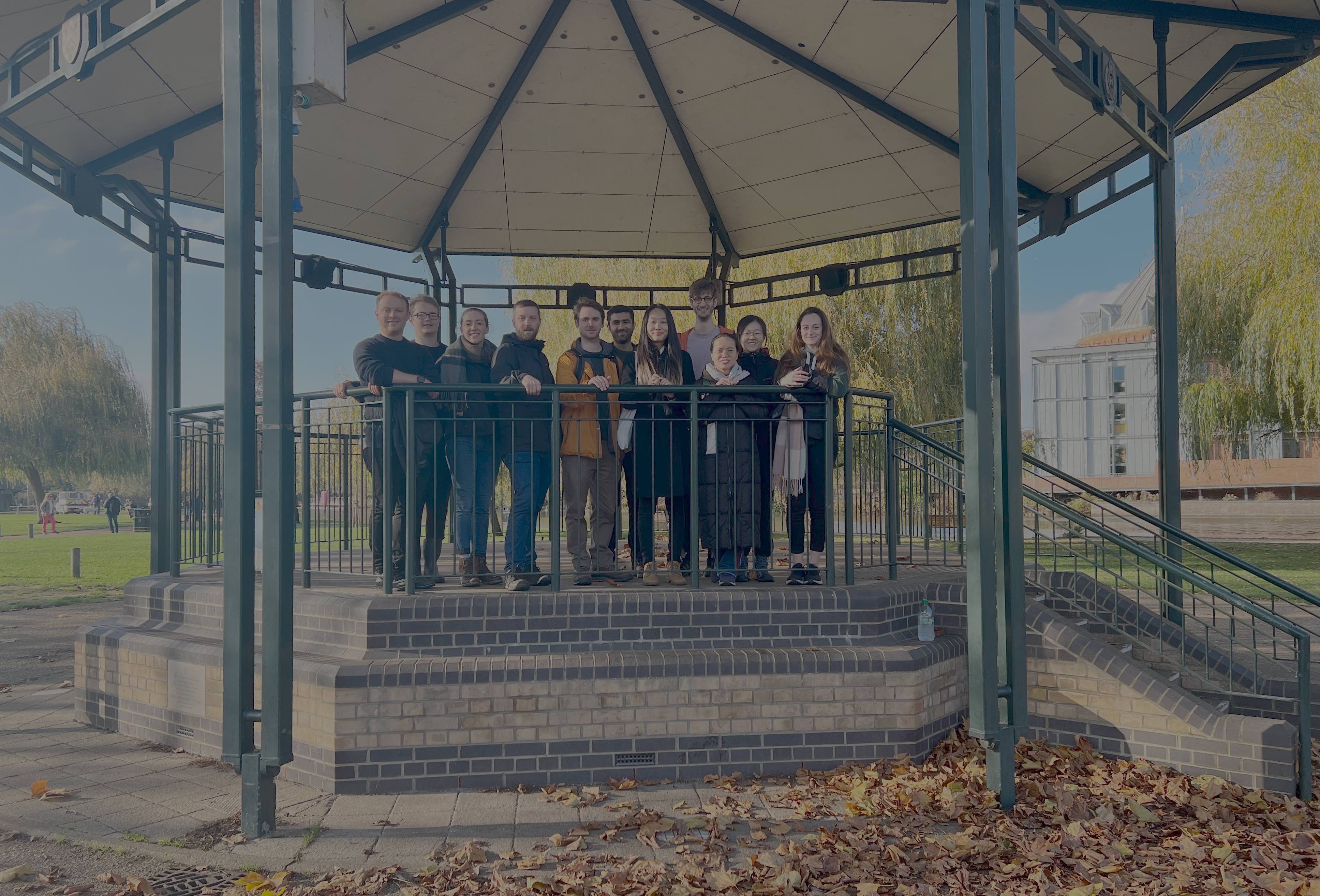
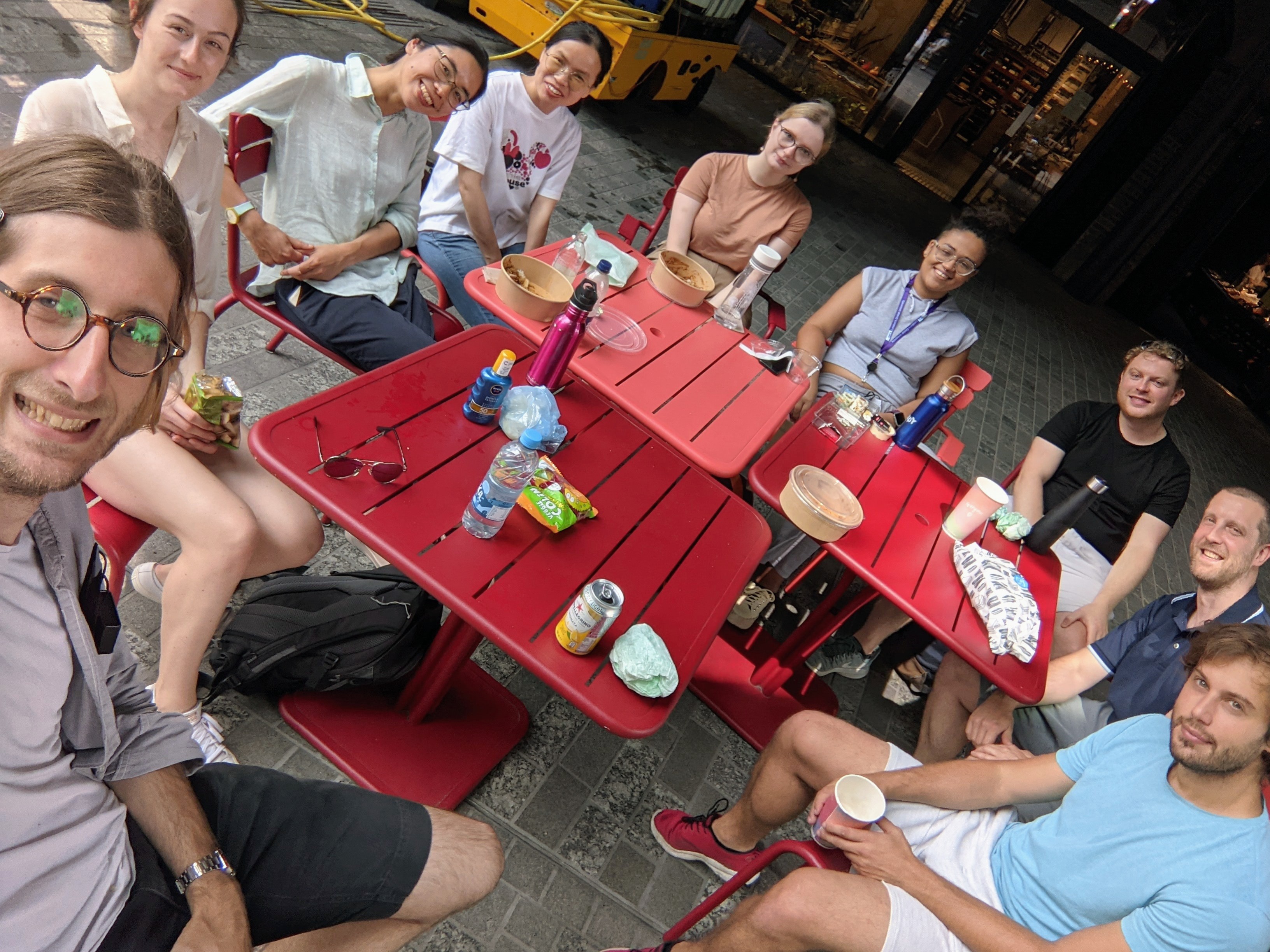
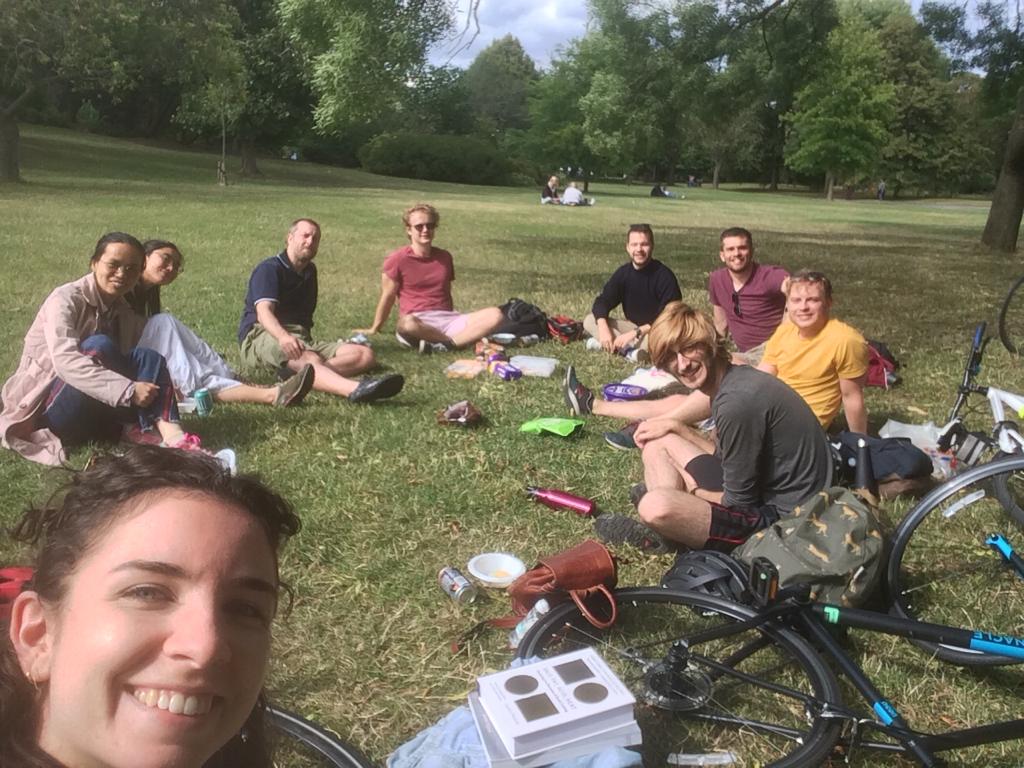
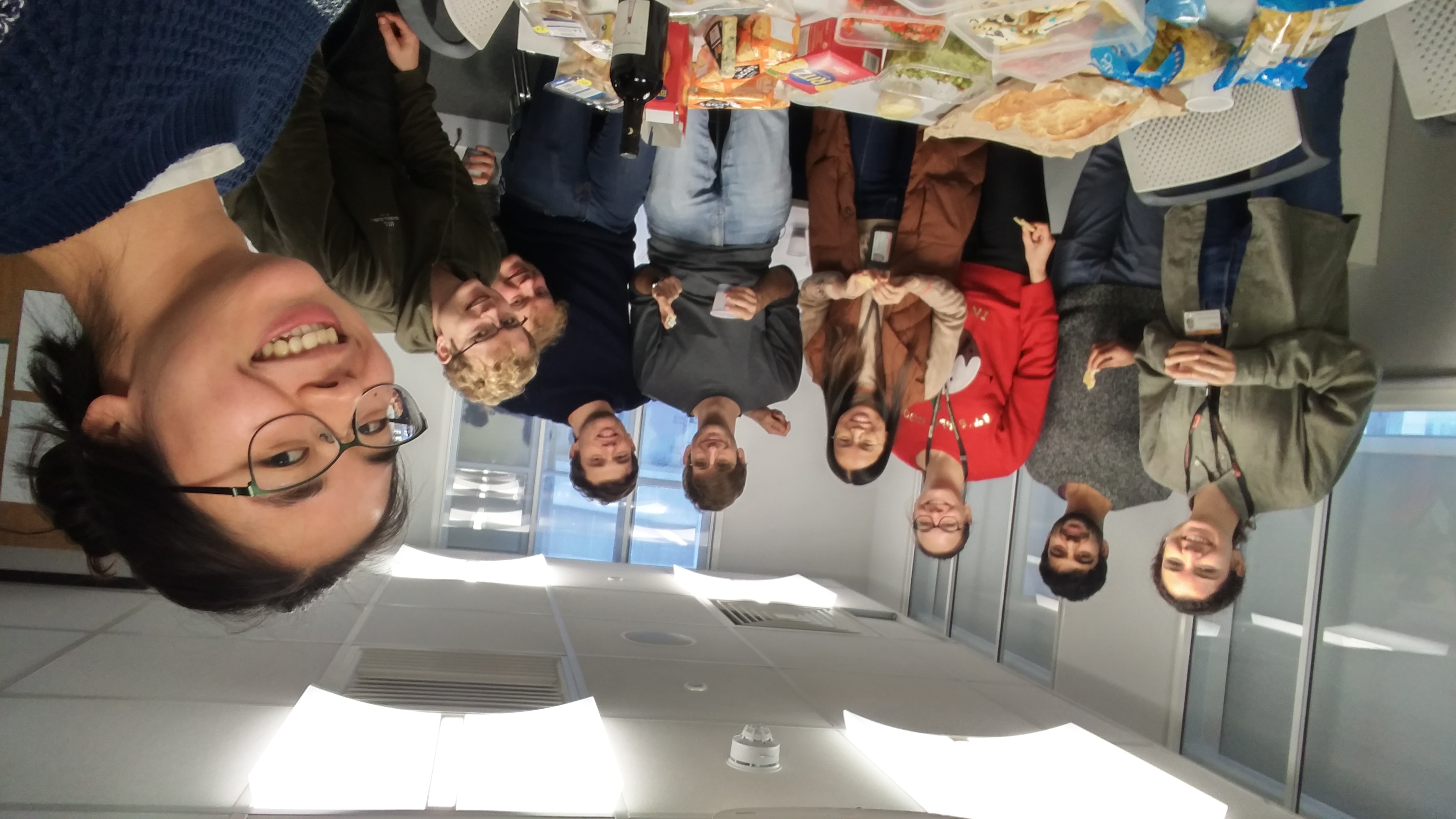
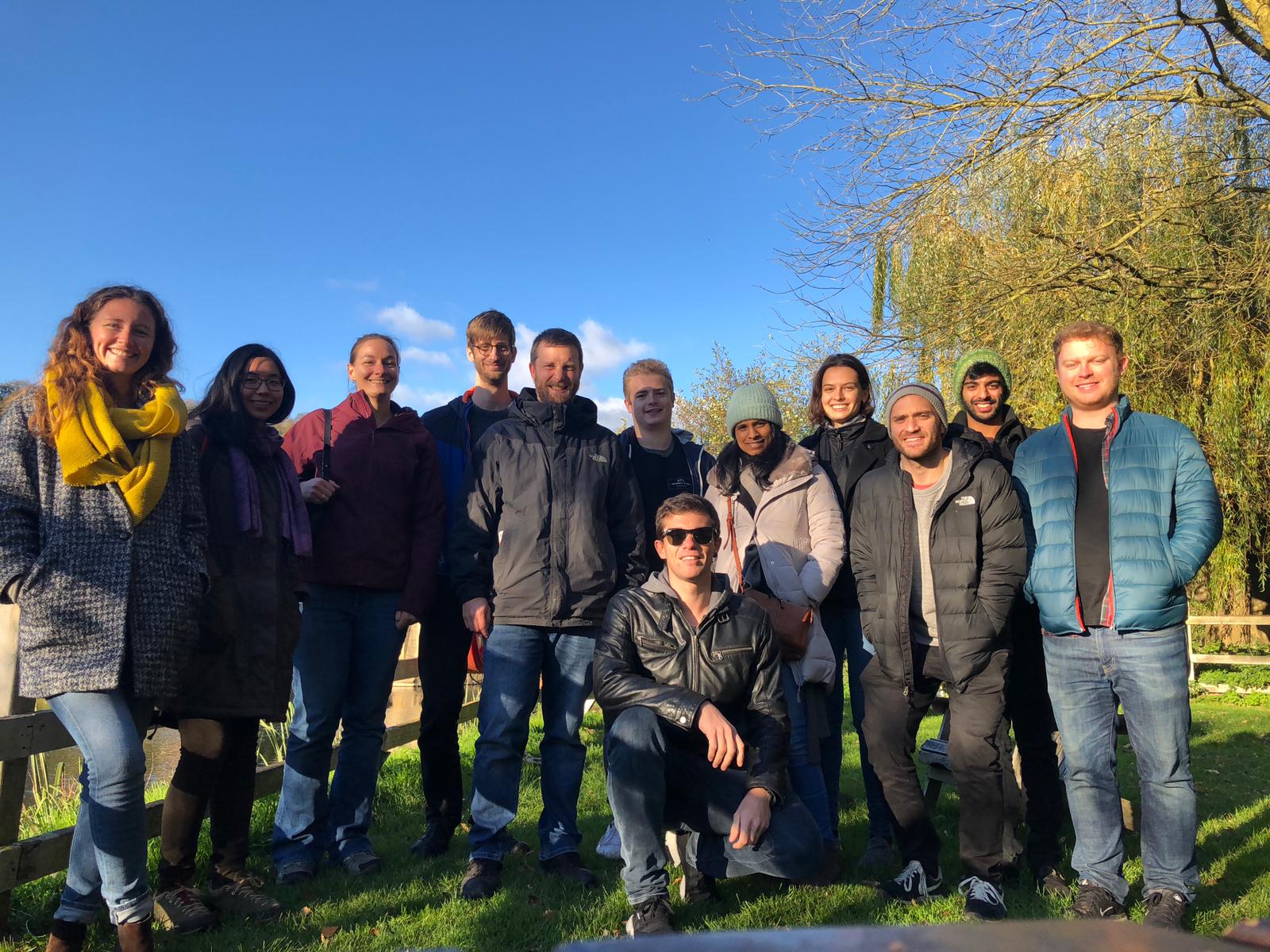
Group retreat, Stratford 2022 Coal Drops yard, 2021 Regents park, 2020 Rockefeller Building xmas party, 2019 Group retreat, Bath 2018
Current group members
Prof. Chris P Barnes
Dr Linda Dekker
Dr Jurgen Riedel
Chania Clare
Kathleen Zhang
Casey Chen
McClain Thiel
Prof. Chris Barnes christopher.barnes@ucl.ac.uk
I'm a Professor in the Division of Biosciences within the Faculty of Life Sciences at
University College London. My career has spanned multiple fields including particle
physics, genetics, statistics, computational systems biology and synthetic biology (Google Scholar). In
addition to my research, I'm also actively engaged in training the next generation of
researchers; I developed the BBSRC funded e-learning resource SysMIC
to train life scientists in computational and mathematical skills. I'm also involved in running the
EPSRC funded Centre for Doctoral Training in BioDesign Engineering and the LIDo Doctoral Training Partnership.
Dr Linda Dekker linda.dekker.09@ucl.ac.uk
I am currently working on a project constructing, characterising and optimising
whole-cell bacterial biosensors that detect metabolites important in gut microbiota
disorders. I completed my BSc and MSc in Microbiology at the University of Otago
(New Zealand) and did a PhD in Microbiology in Prof Joanne Santini's group at UCL. I
previously worked as a PDRA at Imperial College London on various synthetic biology
projects ranging from natural product biosynthesis in Clostridia, to changing the material
properties of bacterial cellulose. I'm passionate about Microbiology and am a Microbiology
Society Champion and try to promote the awesome opportunities the
Microbiology Society has to offer. I
founded the Barnes Lab cake club 🧁.
Jurgen Riedel jurgen.riedel@gmail.com
I am a PhD student at University College London in the Department of Cell and Developmental Biology.
I've had a career as a Data Analyst and Scientist in many industries, including private banking, energy and biotechnology.
I hold a PhD in Theoretical Physics from the University of Oldenburg, Germany, where my research focused on black holes, quantum gravity and dark matter.
I'm also deeply interested in complexity theory and its application to large universe masses, including nature at the cellular level.
My current research focuses on reaction-diffusion systems in the continuous domain via PDEs and the discrete domain via cellular automata.
My goal is to study complex systems at the edge of chaos and observe the emergence of complex behaviour.
Chania Clare chania.clare.21@ucl.ac.uk
I’m a PhD student on the London Interdisciplinary Doctoral Programme (LIDo), where my work looks into the role of bacterial microcompartments in community dynamics though computational and wetlab techniques. I completed my Bachelor’s and Master’s degrees at Imperial College London, where I investigated electrotropism in plants, engineering cyanobacteria to support crop growth, and circadian-dependent immunity in the malaria parasite. As part of my PhD I completed a rotation project with the London School of Hygiene and Tropical Medicine and the Francis Crick Institute to identify novel drug targets for malaria parasite invasion.
Kathleen Zhang kathleen.zhang@ucl.ac.uk
I am a PhD student on the EPSRC Centre for Doctoral Training in BioDesign Engineering program. My research focuses on applying analogue computing to biologics by using artificial neural network and spatial patterning of engineered bacteria. Previously, I worked as a Platform Scientist for 2 years at LabGenius, a London based biotech start-up in drug discovery at the interface of ML and Synbio. I have a Master of Science in Cell and Systems Biology from the University of Toronto, Canada, in the McMillen Synthetic Biology and Cellular Control lab where I worked on developing stress responsive biosensors in probiotic bacteria for detection of inflammation in IBD; and a Bachelor of Science in Honours Biology from the University of Waterloo.
Casey Chen casey.chen.23@ucl.ac.uk
I am a PhD student on the EPSRC CDT BioDesign Engineering programme. I am interested in engineering biological systems so they perform as we desire.
My current project focuses on tuning microbial interactions to establish microbial communities and using computational tools to predict and design them.
Before joining the group, I worked as a research assistant at the Chinese Academy of Sciences (SIAT), focusing on the characterisation of a biofilm-derived electroconductive protein.
I completed an MRes in Systems and Synthetic Biology at Imperial College London and BSc in Molecular Genetics at the University of Edinburgh.
McClain Thiel anton.thiel.25@ucl.ac.uk
I build generative models for DNA design. Genomic AI has a usability problem. We have foundation models that can read and write DNA, but almost no one outside a handful of ML labs can use them. My research combines DNA language models with reinforcement learning to design synthetic biology constructs that work on the first try — and to make those models accessible to working biologists through human-readable interfaces. The long-term goal is a closed-loop system where models propose sequences, wet-lab experiments validate them,
and the results train the next generation of models — collapsing the cost and timeline of biological engineering.
Past group members
Dr Pedro Fontanarrosa. PDRA 2023-2025. Now living the dream in northern California
Dr Soutrick Das. PDRA 2023-2025. Now Assistant Professor at SRU
Dr Kimberley Owen. PhD 2020-2025. Now at Hijack Bio
Dr Jack Rutter. PhD/PDRA 2017-2024. Now a Design and Policy Advisor, Department for Education
Ms Qing Ong. Research Assistant 2022-2024. Now doing a PhD with Tom Gorochowski, University of Bristol
Dr Mohamed Ali al-Badri. PDRA 2020-2024. Now a Senior ML Engineer at Nucleome Therapeutics
Dr Bingxin Lu. PDRA 2019-2023. Now a Surrey Future Fellow at University of Surrey
Dr Will Cross. Visiting Fellow 2021-2023. Now a Lecturer (Assistant Prof.) University of Reading
Dr Alex Fedorec. PhD/PDRA 2014-2022. Now a Lecturer (Assistant Prof.) at UCL
Dr Neythen Treloar. PhD/PDRA 2018-2023. Now a Senior Data Scientist at Bactobio
Dr Ke Yan Wen. PDRA 2019-2022. Now a Senior Scientist at BactoBio
Dr Behzad Karkaria. PhD/PDRA 2017-2021. Now a AI/ML Engineer at GSK
Dr Luca Rosa. PhD student 2017-2021. Now on the Faculty.ai programme
Ms Clare Robinson. Research Assistant 2019-2020. Now doing a PhD with David Riglar, Imperial College
Dr Josh Russell-Buckland. PhD student 2016-2020. Now a software engineer at Guardian News and Media
Dr Marc Williams. PhD student 2014-2018. Now a Research Fellow with Sohrab Shah, Memorial Sloan Kettering
Dr Tanel Ozdemir. PhD student 2013-2017. Now an Investment Associate at AlbionVC
Dr Lourdes Sriraja. PhD student 2013-2017. Now a PDRA with Tariq Enver, UCL Cancer Institute
Dr Mae Woods. PDRA 2013-2018. Now at Baylor College of Medicine
Dr Miriam Leon. PhD student 2012-2016. Now a Senior Data Scientist at Lyft
Engineering Biology
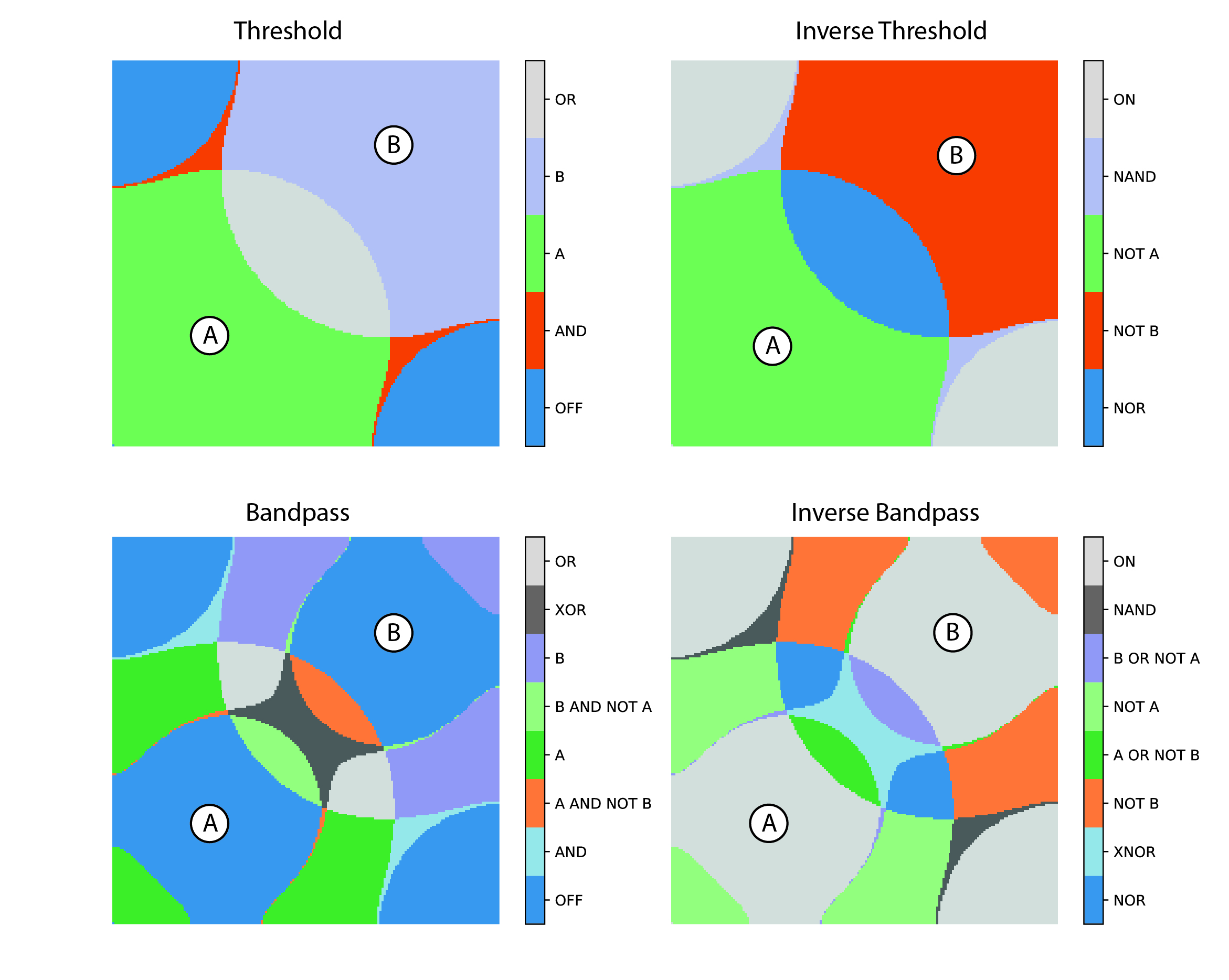
Fig: Patterning as a spatial computation. Each panel represents a different interpretation
of a morphogen gradient produced from two sources A and B
MC Thiel, A Cunningham, CP Barnes (2026). Emergent Biological Realism in RL-Trained DNA Language Models.
bioRxiv, 2026.03. 24.713963
AG Cunningham, L Dekker, A Shcherbakova, CP Barnes (2025).Generative design and construction of functional plasmids with a DNA language model.
bioRxiv, 2025.12. 06.692736
S Das, J Riedel, KJY Zhang, A Cook, CP Barnes (2024). Engineered implementations of spatial computation in biological systems.
Seminars in Cell & Developmental Biology 174, 103631
CP Barnes, D Buchan, A Shcherbakova (2024). Designing minimal E. coli genomes using variational autoencoders.
bioRxiv, 2024.10. 22.619620
AJH Fedorec, NJ Treloar, KY Wen, L Dekker, QH Ong, G Jurkeviciute, E Lyu, JW Rutter, KJY Zhang, L Rosa, A Zaikin, CP Barnes (2024).
Emergent digital bio-computation through spatial diffusion and engineered bacteria
Nature Communications 15 (1), 4896, doi: 10.1038/s41467-024-49264-3
Otero-Muras, I., Perez-Carrasco, R., Banga, J.R., Barnes, C.P. (2023).
Automated design of gene circuits with optimal mushroom-bifurcation behavior.
iScience, 26 (6), doi:10.1016/j.isci.2023.106836
Treloar, N.J., Braniff, N., Ingalls, B., Barnes, C.P. (2022).
Deep reinforcement learning for optimal experimental design in biology.
PLoS Computational Biology, 18 (11), doi:10.1371/journal.pcbi.1010695
Treloar, N., Wen, K.Y., Fedorec, A., Barnes, C. (2021).
SynBioBrain: building biological computers from bacterial populations.
The Project Repository Journal, doi:doi.org/10.54050/PRJ1117751
Karkaria, B.D., Treloar, N.J., Barnes, C.P., Fedorec, A.J.H. (2020).
From microbial communities to distributed computing systems
Frontiers in Bioengineering and Biotechnology 8, 834, doi:doi.org/10.3389/fbioe.2020.00834
Dalchau, N., Szép, G., Hernansaiz-Ballesteros, R., Barnes, C.P., Cardelli, L., Phillips, A., Csikász-Nagy, A. (2018).
Computing with biological switches and clocks.
Natural Computing, 1-19. doi:10.1007/s11047-018-9686-x
Perez-Carrasco, R., Barnes, C.P., Schaerli, Y., Isalan, M., Briscoe, J., Page, K.M. (2018).
Combining a Toggle Switch and a Repressilator within the AC-DC Circuit Generates Distinct Dynamical Behaviors.
Cell Systems. doi:10.1016/j.cels.2018.02.008
Boeing, P., Leon, M., Nesbeth, D.N., Finkelstein, A., Barnes, C. (2018).
Towards an Aspect-Oriented Design and Modelling Framework for Synthetic Biology.
Processes, 6 (9), doi:10.3390/pr6090167
Leon, M., Woods, M.L., Fedorec, A.J.H., & Barnes, C.P. (2016)
A computational method for the investigation of multistable systems and its application to genetic switches.
BMC Systems Biology 2016 Dec 7;10(1):130. doi:10.1186/s12918-016-0375-z
Woods, M., Leon, M., Perez-Carrasco, R. & Barnes, C.P. (2016)
A statistical approach reveals designs for the most robust stochastic gene oscillators.
ACS Synthetic Biology 5 (6), pp 459–470. doi:10.1021/acssynbio.5b00179
Cohen, M., Kicheva, A., Ribeiro, A., Blassberg, R., Page, K. M., Barnes, C. P. & Briscoe, J. (2015).
Ptch1 and Gli regulate Shh signalling dynamics via multiple mechanisms.
Nature Communications, 6. doi:10.1038/ncomms7709
Cohen, M., Page, K. M., Perez-Carrasco, R., Barnes, C. P., & Briscoe, J. (2014).
A theoretical framework for the regulation of Shh morphogen-controlled gene expression.
Development, 141(20), 3868-3878. doi:10.1242/dev.112573
Liepe, J., Kirk, P., Filippi, S., Toni, T., Barnes, C. P., & Stumpf, M. P. H. (2014).
A framework for parameter estimation and model selection from experimental data in systems biology using approximate Bayesian computation.
Nature Protocols, 9(2), 439-456. doi:10.1038/nprot.2014.025
Microbiome engineering
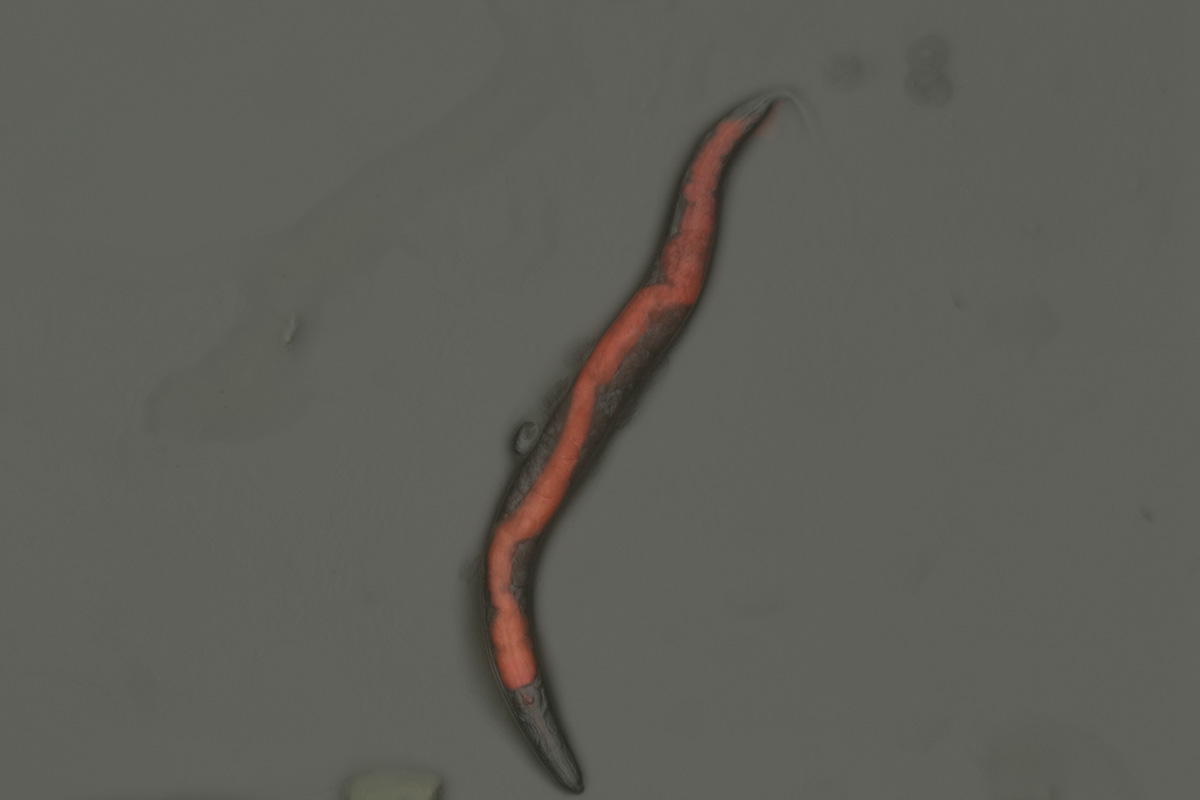
Fig: (Left) Fluorescent bacteria colonising the gut of a C. elegans nematode worm.
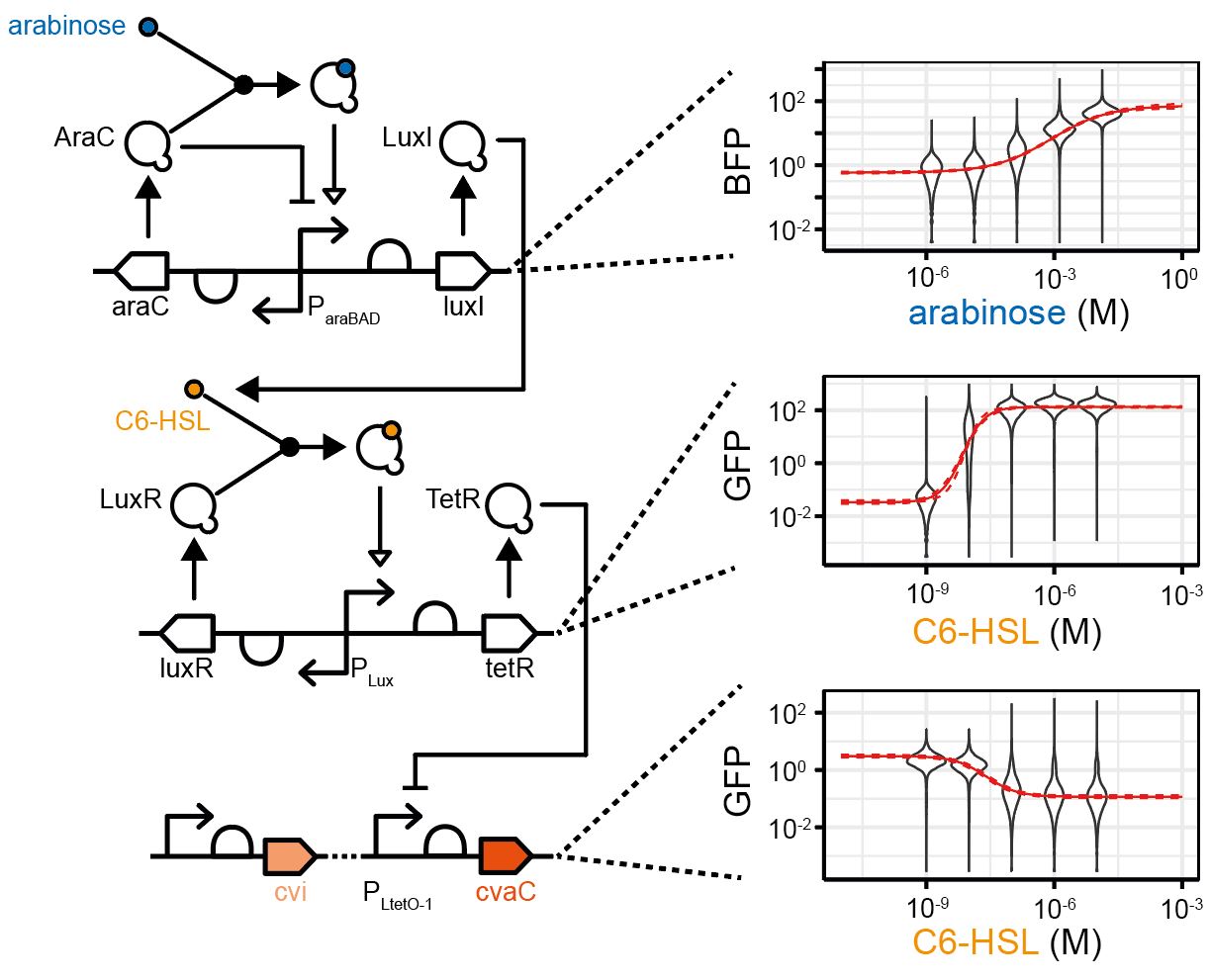
(Right) An engineered GRN in E. coli enabling bacteriocin production control through quorum sensing (SPoCK system)
Engaging cancer patients on their attitudes towards microbiome engineering technologies (2024)
KA Owen, JW Rutter, C Holland, HBT Le, P Shapira, C Lewis, JM Kinross, ...
bioRxiv, 2024.11. 25.625255, doi:10.1101/2024.11.25.625255
C Clare, JW Rutter, AJH Fedorec, S Frank, CP Barnes (2024).
Bacterial microcompartment utilisation in the human commensal Escherichia coli Nissle 1917.
J Bacteriol 206:e00269-24.
doi: 10.1128/jb.00269-24
JW Rutter, L Dekker, C Clare, ZF Slendebroek, KA Owen, JAK McDonald, AJH Fedorec, CP Barnes (2024).
A bacteriocin expression platform for targeting pathogenic bacterial species.
Nature Communications 15 (1), 6332, doi: 10.1038/s41467-024-50591-8
Karkaria, B.D., Manhart, A., Fedorec, A.J.H., Barnes, C.P. (2022).
Chaos in synthetic microbial communities.
PLoS Computational Biology, 18 (10), doi:10.1371/journal.pcbi.1010548
Rutter, J.W., Dekker, L., Owen, K.A., Barnes, C.P. (2022).
Microbiome engineering: engineered live biotherapeutic products for treating human disease.
Frontiers in Bioengineering and Biotechnology, 10 doi:10.3389/fbioe.2022.1000873
Rutter, J.W., Dekker, L., Fedorec, A.J.H., Gonzales, D.T., Wen, K.Y., Tanner, L.E.S., ...Barnes, C.P. (2021).
Engineered acetoacetate-inducible whole-cell biosensors based on the AtoSC two-component system.
Biotechnology and Bioengineering, doi:10.1002/bit.27897 Download the data here
Wen, K.Y., Rutter, J.W., Barnes, C.P., Dekker, L. (2019). Fundamental Building Blocks of Whole-Cell Biosensor Design.
In Thouand, G. (Ed.), Handbook of Cell Biosensors. (pp. 1-23). Springer International Publishing.
Rutter, J.W., Ozdemir, T., Galimov, E.R., Quintaneiro, L.M., Rosa, L., Thomas, G.M., Cabreiro, F., Barnes, C.P. (2019).
Detecting Changes in the Caenorhabditis elegans Intestinal Environment Using an Engineered Bacterial Biosensor.
ACS Synth Biol, doi:10.1021/acssynbio.9b00166 Download the data and code here
Shaw, L., Bassam, H., Barnes, C.P., Walker, A., Klein, N., Balloux, F. (2019).
Modelling microbiome recovery after antibiotics using a stability landscape framework.
ISME Journal, doi:10.1038/s41396-019-0392-1 Article in The Telegraph
Barnes, C.P., Fedorec, A.J.H. (2018). Five amazing ways redesigning biological cells could help us fight cancer.
The Conversation
Ozdemir, T., Fedorec, A.J.H., Danino, T., Barnes, C.P. (2018).
Synthetic Biology and Engineered Live Biotherapeutics: Toward Increasing System Complexity.
Cell Systems, 7 (1), 5-16. doi:10.1016/j.cels.2018.06.008
Mutational processes
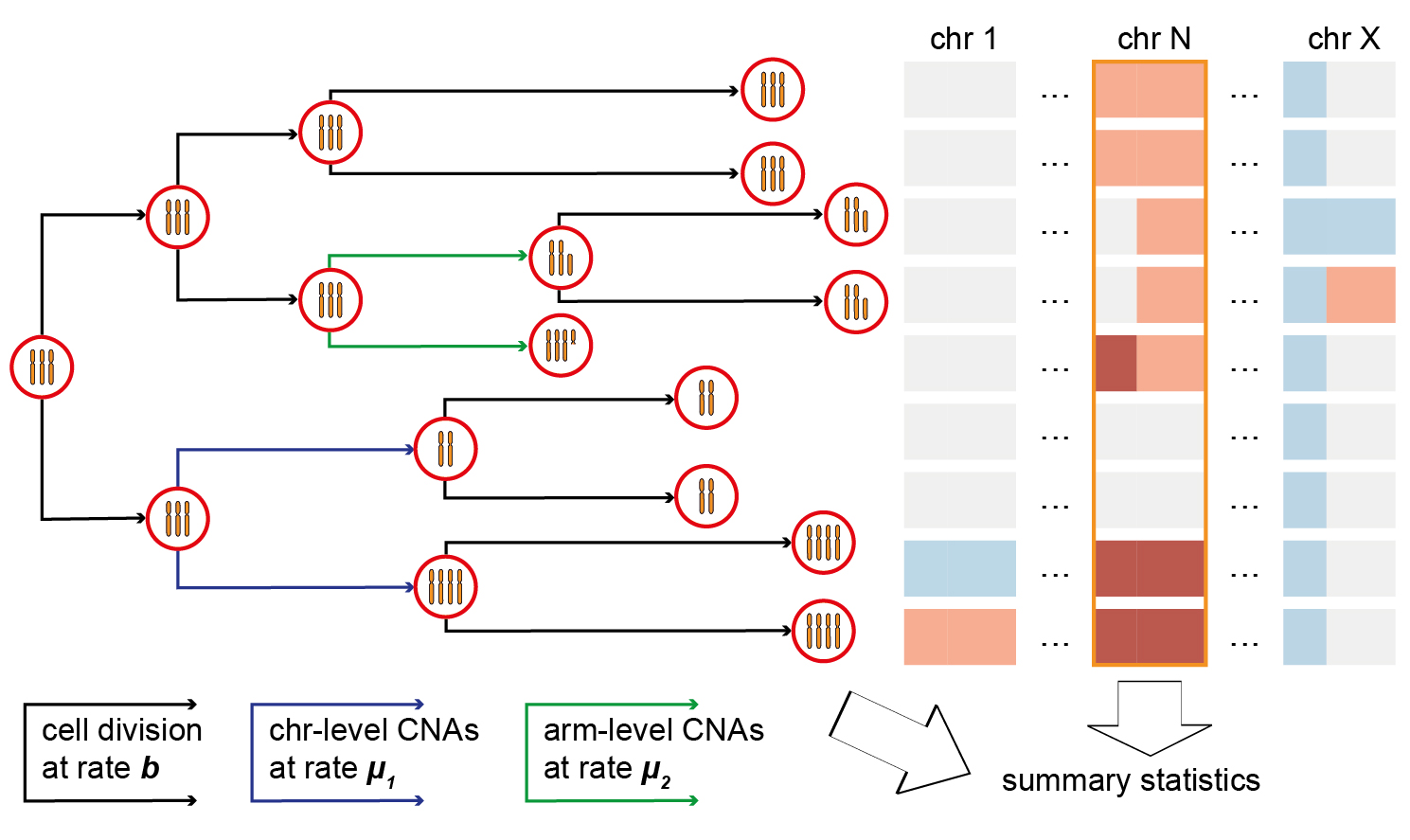
Fig: Modelling chromosomal gain and loss within a stochastic branching process
MA al-Badri, WCH Cross, CP Barnes (2024).
Explainable deep learning on 7500 whole genomes elucidates cancer-specific patterns of chromosomal instability.
bioRxiv, 2024.03.08.584160
B Lu, S Winnall, W Cross, CP Barnes (2024).
Cell-cycle dependent DNA repair and replication unifies patterns of chromosome instability.
bioRxiv, 2024.01.03.574048
Lu, B., Curtius, K., Graham, T.A., Yang, Z., Barnes, C.P. (2023).
CNETML: maximum likelihood inference of phylogeny from copy number profiles of multiple samples.
Genome biology, 24 doi:10.1186/s13059-023-02983-0
Gabbutt, C., Schenck, R.O., Weisenberger, D.J., Kimberley, C., Berner, A., Househam, J., ...Patel, R. (2022).
Fluctuating methylation clocks for cell lineage tracing at high temporal resolution in human tissues.
Nature Biotechnology, doi:10.1038/s41587-021-01109-w
Bollen, Y., Stelloo, E., van Leenen, P., van den Bos, M., Ponsioen, B., Lu, B., ...Snippert H.J.G. (2021).
Reconstructing single-cell karyotype alterations in colorectal cancer identifies punctuated and gradual diversification patterns.
Nature Genetics, doi:10.1038/s41588-021-00891-2
Williams, M.J., Zapata, L., Werner, B., Barnes, C.P., Sottoriva, A., Graham, T.A. (2020).
Measuring the distribution of fitness effects in somatic evolution by combining clonal dynamics with dN/dS ratios.
eLife, 9 doi:10.7554/eLife.48714
Williams, M.J., Werner, B., Heide, T., Curtis, C., Barnes, C.P., Sottoriva, A., Graham, T.A. (2018).
Quantification of subclonal selection in cancer from bulk sequencing data.
Nature Genetics 2018 Jun;50(6):895-903. doi:10.1038/s41588-018-0128-6 Article in The Times
Woods M.L., Barnes C.P. (2016).
Mechanistic Modelling and Bayesian Inference Elucidates the Variable Dynamics of Double-Strand Break Repair.
PLoS Comput Biol. 2016 Oct 14;12(10):e1005131. doi:10.1371/journal.pcbi.1005131
Williams, M.J., Werner, B, Barnes, C.P., Graham, T.A., & Sottoriva, A. (2016).
Identification of neutral tumor evolution across cancer types.
Nature Genetics, 2016 Jan 18. doi:10.1038/ng.3489
Chaidos, A, Barnes, C.P. et. al. (2013).
Clinical drug resistance linked to interconvertible phenotypic and functional states of tumor-propagating cells in multiple myeloma.
Blood. 2013 Jan 10;121(2):318-28. doi:10.1182/blood-2012-06-436220